Rome Pasta Making Class
Experience Guide

Rome Pasta Making Class With Wine

A pasta-making workshop paired with Italian wine transforms a cooking lesson into a sensory journey through Rome's culinary traditions. These experiences bring together tactile learning—rolling dough by hand, shaping regional cuts—with curated wine selections that mirror the flavors on your plate. Understanding what distinguishes premium offerings helps you choose an experience that delivers both skill and context.

7 min read Updated 2026-09-30 Fact-checked
Rome Pasta Making Class With Wine

Quick answer

Classes are offered daily from 09:00 to 22:00 throughout Rome, with sessions scheduled by individual operators. Premium experiences typically include preparation of two to three pasta shapes, wine tasting of three to four regional varietals, all ingredients and equipment, recipe cards, and the meal you prepare. Operators handle various locations across the city; confirm your booking time and meeting point in advance to ensure smooth arrival.

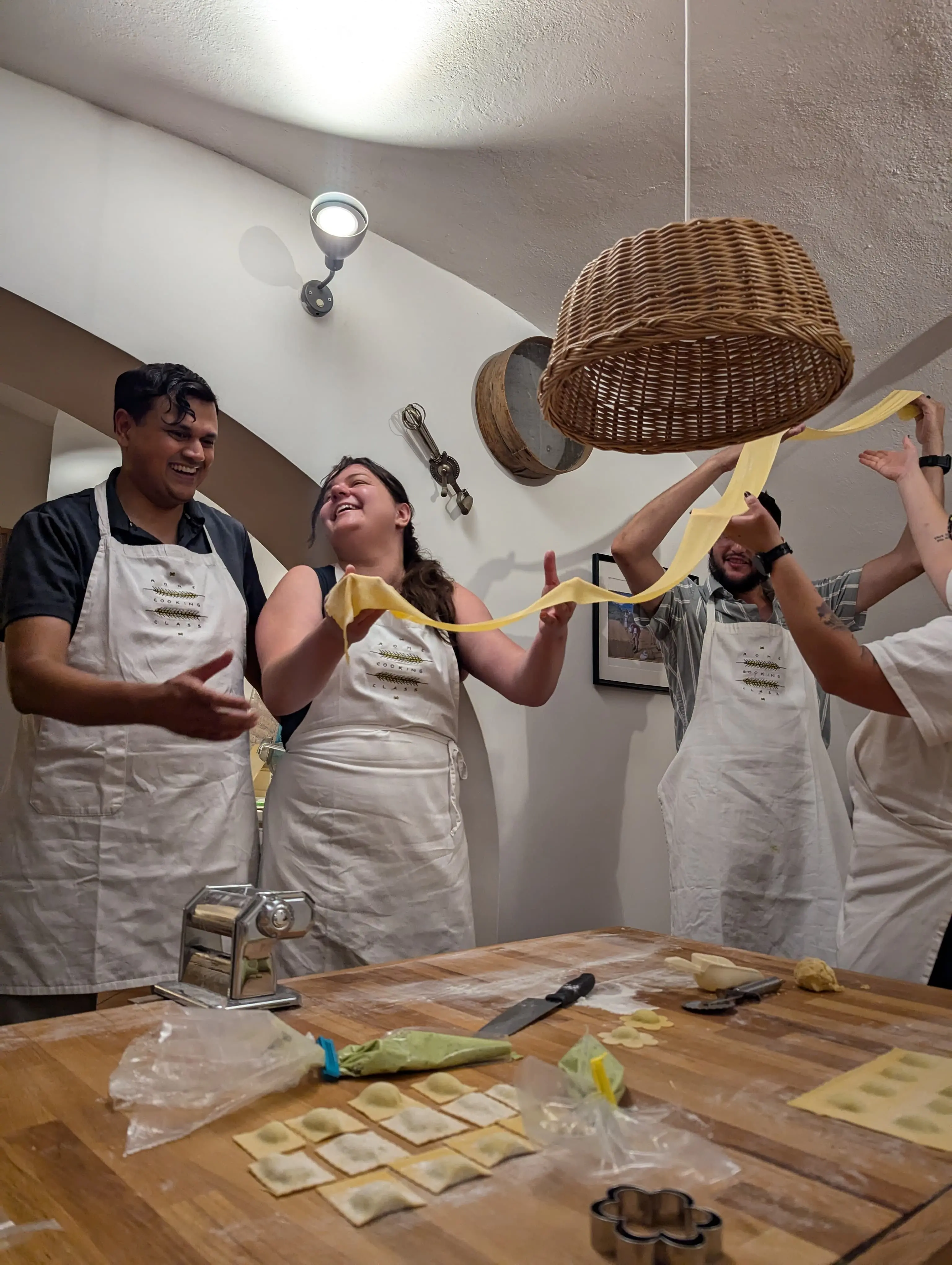
Most pasta workshops in Rome operate from residential kitchens, restored farmhouses on the city's outskirts, or dedicated culinary studios tucked into Trastevere and Testaccio. The hands-on format remains consistent: you work with flour and eggs to build dough from scratch, learning the pressure and rhythm required to achieve the proper texture. What distinguishes a rome pasta making class with wine from a standard cooking lesson is the integration of viticulture into the curriculum. Instructors time wine pours to match each stage of preparation—a crisp Frascati while you knead, a structured Sangiovese as sauces simmer. Premium inclusions elevate these sessions beyond basic instruction. Smaller group sizes, often capped at eight to twelve participants, allow for individual attention as you shape cavatelli or fold tortellini. Ingredient quality shifts from supermarket staples to stone-ground semolina, organic eggs from Lazio farms, and DOP cheeses. Wine selections move beyond generic table pours to estate bottles with provenance stories: a Cesanese del Piglio from the Ciociaria hills, an Aleatico dessert wine to close the meal. Some operators include market visits before class, walking you through Campo de' Fiori to source herbs and vegetables that will appear in your sauces. The pedagogical approach separates casual experiences from immersive ones. A skilled instructor explains why certain pasta shapes pair with specific sauces—the ridges on rigatoni grip carbonara's creamy egg base, while smooth pappardelle supports the weight of wild boar ragù. Wine pairings receive similar treatment: you learn why the acidity in Verdicchio cuts through butter-based sauces, or how tannins in a young Montepulciano balance the richness of amatriciana. Recipe cards provided at session's end allow you to replicate the dishes at home, though without Rome's flour or wine, the results will differ. Timing matters. Classes scheduled between 09:00 and 11:00 often include breakfast components—espresso, cornetti—and lighter wines. Evening sessions lean toward fuller preparations and bolder reds. Booking windows run throughout the week; advance confirmation secures your preferred time slot and ensures dietary accommodations are addressed.

“The ridges on rigatoni grip carbonara's creamy egg base, while smooth pappardelle supports the weight of wild boar ragù.”
What to see

Premium Features of a Rome Pasta Making Class With Wine

Premium pasta making classes in Rome integrate professional culinary instruction with the structured exploration of regional Italian viticulture. These sessions prioritize high-quality ingredients and hands-on guidance to provide a deeper understanding of traditional Roman gastronomy.

DOP Certified Flour

DOP Certified Flour

Classes often utilize high-grade, stone-ground flour sourced from regional Italian mills to ensure optimal dough elasticity and texture. Observe how the instructor tests the gluten development during the kneading process.

Watch for the texture change when flour meets water.
Sommelier-Led Pairings

Sommelier-Led Pairings

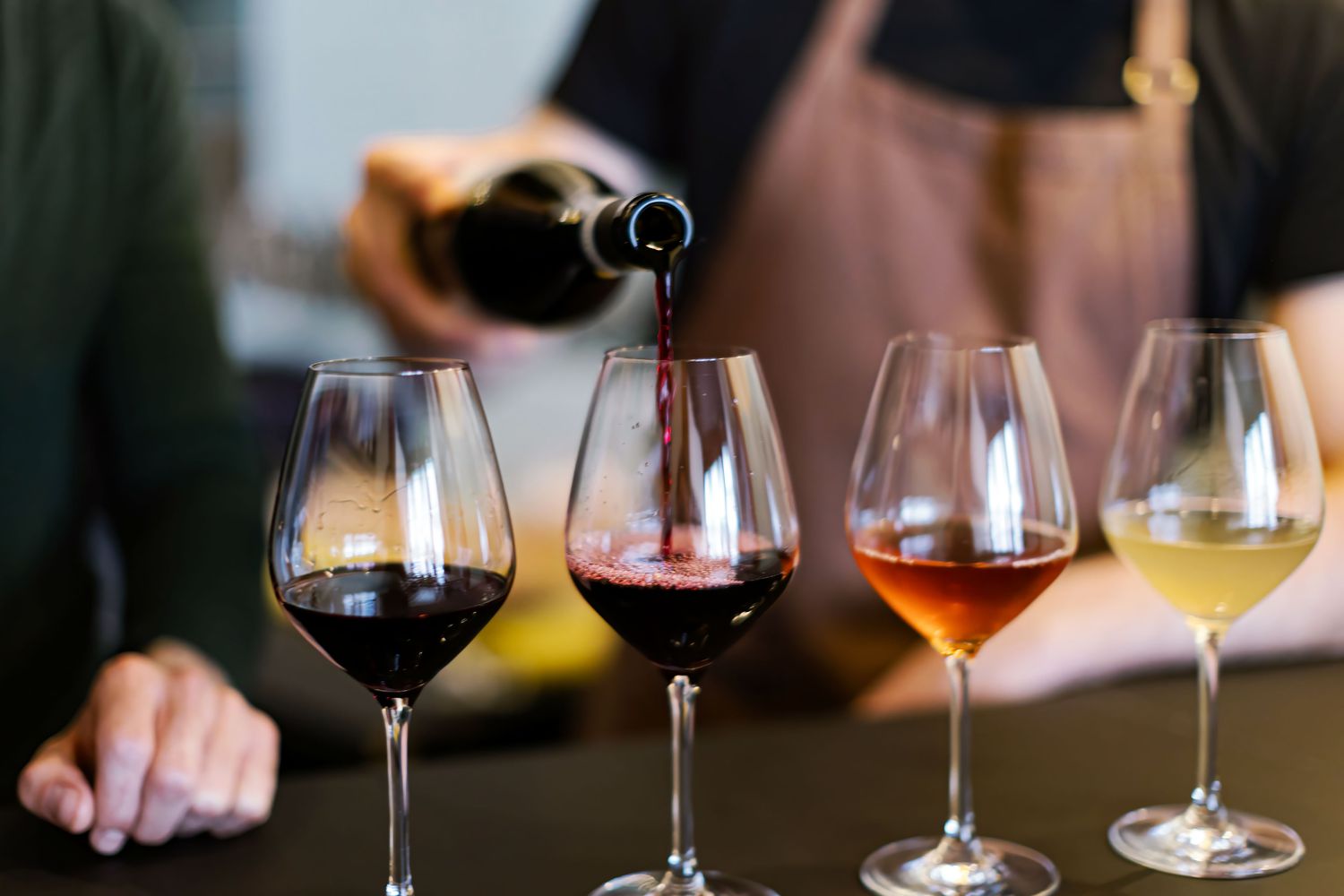
Sessions include curated selections of DOCG wines from the Lazio region and beyond, chosen to complement specific pasta shapes and sauce profiles. Learn how the acidity and tannins of local grapes interact with fresh egg pasta.

Ask which wine variety pairs best with carbonara sauce.

Professional Pasta Board

Professional Pasta Board

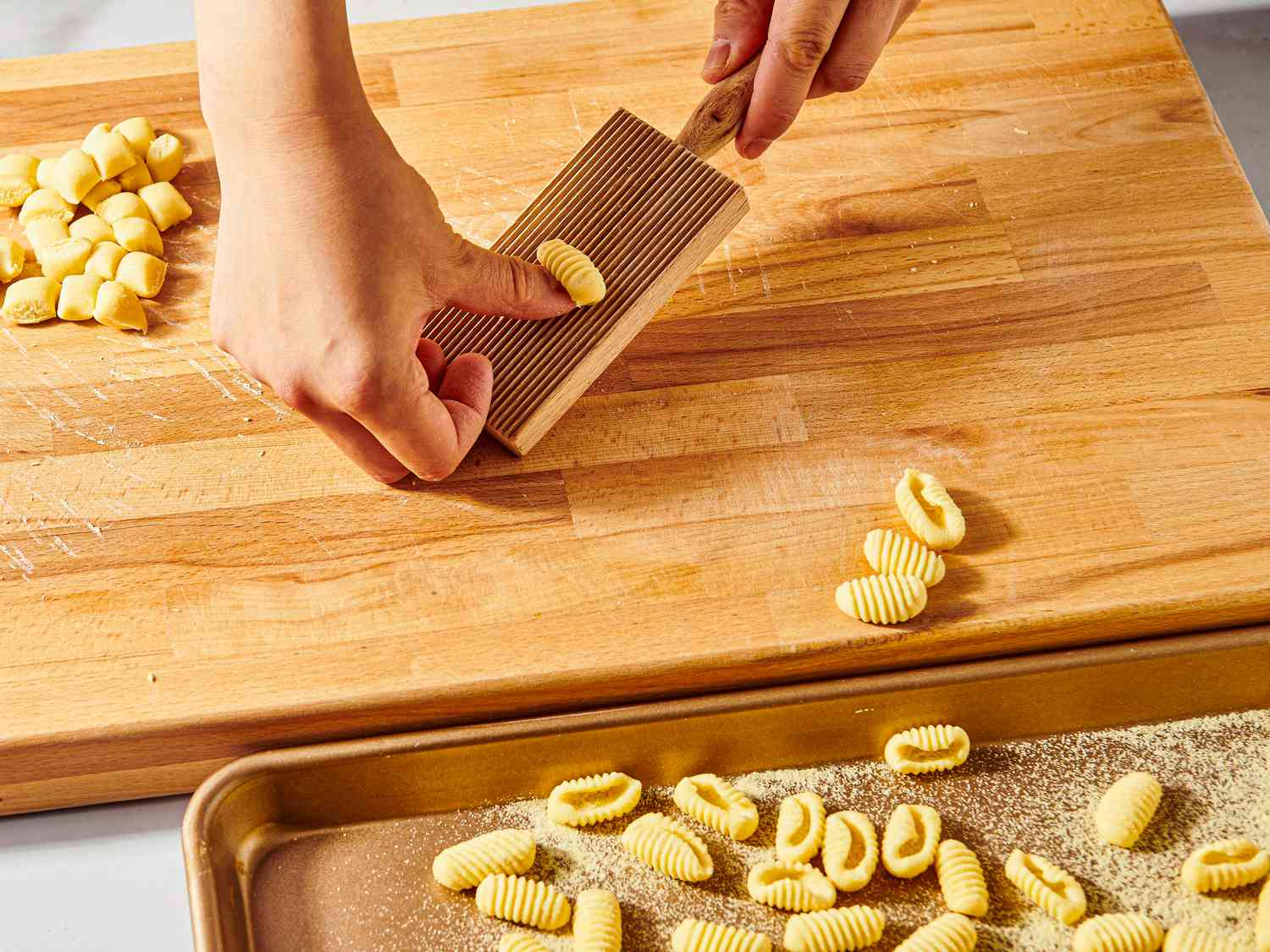
Participants work with traditional wooden 'spianatoia' boards, which provide the porous surface necessary for proper dough adhesion and shaping. Focus on the rhythmic motion required to roll thin sheets of pasta without tearing.

Keep your hands lightly floured to prevent dough sticking.

Fresh Herb Garden

Fresh Herb Garden

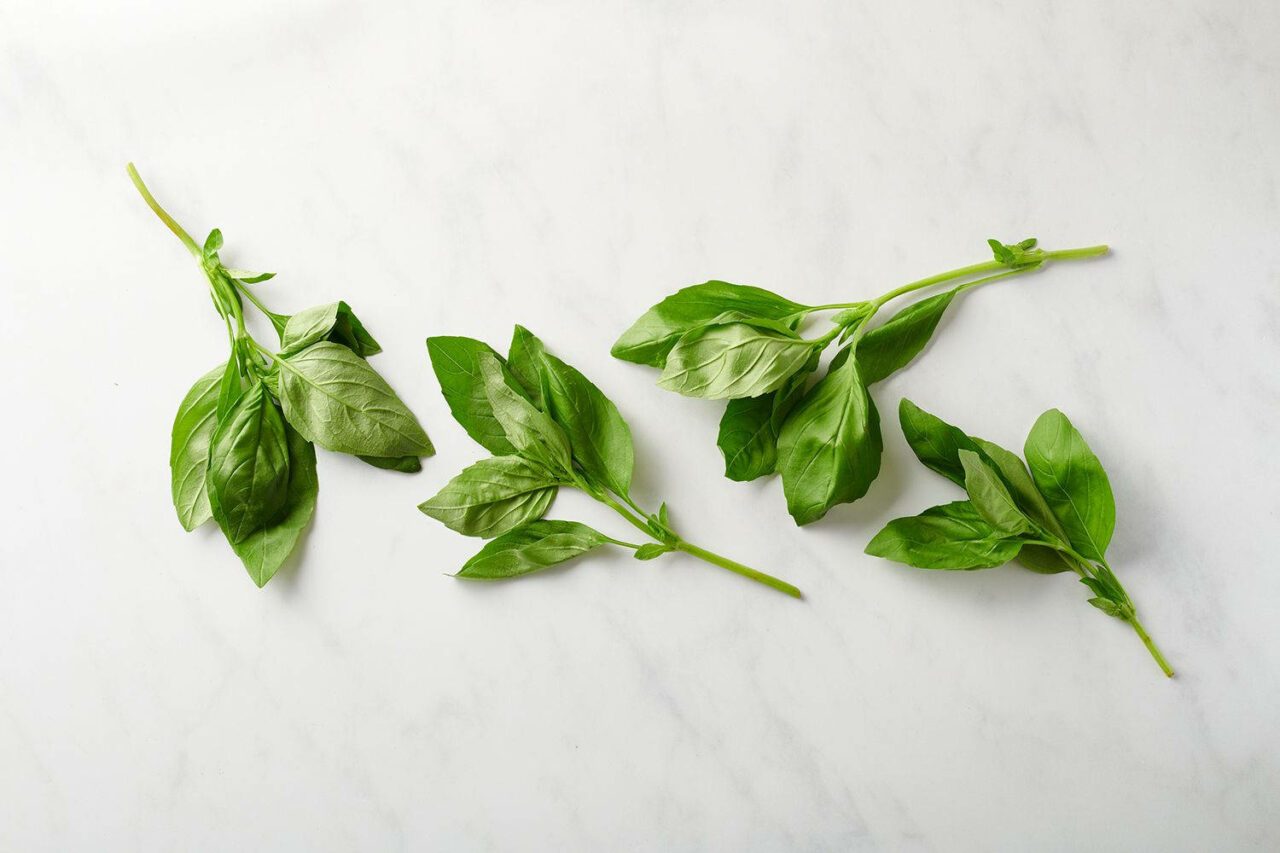
Many premium classes incorporate fresh herbs like basil, parsley, or sage harvested directly from on-site gardens or local markets to finish dishes. Notice how these additions impact the aromatic profile of the final pasta sauce.

Inquire about seasonal herb availability during the class.

Food & drink

Understanding Food Pairings in Rome Pasta Making Classes With Wine

Pasta making classes in Rome typically pair handmade shapes like fettuccine or tonnarelli with regional wines such as Frascati Superiore or Cesanese. Participants learn the traditional logic of matching lighter white wines with vegetable-based sauces and structured reds with hearty meat ragùs.

Trastevere District

€€

restaurant

This historic neighborhood contains numerous traditional trattorias located within walking distance of many class venues where you can find regional wine pairings.

Campo de' Fiori

€

market

This central market provides access to fresh seasonal ingredients and local wine shops that reflect the flavors used in professional pasta classes.

Testaccio Market

€

market

Located near the former slaughterhouse area, this market offers high-quality local cheeses and cured meats that pair well with the wines sampled during instructional sessions.

Insider tips

Tips for Your Rome Pasta Making Class With Wine

Enhance your experience by mastering communication with your instructor regarding dietary needs and wine preferences before the session begins.

1

Prioritize hydration

Drink plenty of water before your class to keep your palate neutral and ready for wine tasting.

2

Communicate dietary restrictions early

Email your instructor 48 hours in advance if you require gluten-free flour or have specific wine allergies.

3

Ask about regional pairings

Request information on which local Roman wine grapes specifically complement the pasta shape you are crafting that day.

4

Cleanse your palate

Avoid consuming strong coffee or spicy foods shortly before your arrival to ensure you can fully appreciate the wine notes.

5

Engage with the sommelier

If a professional sommelier is present, ask how the acidity of the wine interacts with the fat content of your specific pasta sauce.

6

Request ingredient sourcing details

Ask the instructor about the origin of the flour and eggs to better understand how local ingredients affect pasta texture.

Opening hours

Operational Hours for a Rome Pasta Making Class With Wine

Pasta making classes with wine in Rome operate daily to accommodate diverse visitor schedules. Classes are provided by various private operators throughout the city.

Monday
09:00–22:00
Tuesday
09:00–22:00
Wednesday
09:00–22:00
Thursday
09:00–22:00
Friday
09:00–22:00
Saturday
09:00–22:00
Sunday
09:00–22:00
The best arrival window is 09:00–21:00; please confirm your specific booking time with the operator in advance.
Book

Check availability

Frequently asked

Frequently Asked Questions About Rome Pasta Making Classes

Everything you need to know about rome pasta making class with wine

What should I expect at a rome pasta making class with wine?

A rome pasta making class with wine typically involves hands-on preparation of dough and shaping techniques followed by a meal. You will learn to prepare traditional regional sauces while sampling local grapes. Most sessions emphasize the connection between artisanal flour, fresh eggs, and quality Italian spirits. Participation in a hands-on Roman cooking lesson is a rewarding way to spend an afternoon or evening. Operators require that you secure your spot in advance through their specific booking portals. Always confirm your rome pasta making class with wine reservation at least 24 hours prior to your desired date. There is no standard entrance fee for these private activities, as costs vary based on the provider and inclusions. You should expect to pay various amounts depending on the specific menu and beverage pairings selected. These experiences are hosted at various locations throughout Rome, Italy. You will find that most providers have convenient access via the public transit network. Skilled chefs provide professional instruction on culinary techniques including kneading, rolling, and extruding. You will gain insight into the history of Italian gastronomy while enjoying your own creation. Please allow sufficient time for the instruction and dining portions of your activity. Classes typically align with the best arrival window of 09:00–21:00, depending on the operator schedule.

Keep reading

More guides & pages