English| USD
Suggested for you
More currencies
Choose a language
Rome's pasta-making workshops welcome children as young as four, with most studios offering private family sessions that adapt recipes and techniques to match your child's age and attention span. Classes operate daily from 09:00 to 21:00 across city-center locations, though daylight hours between 09:00 and 18:00 suit families best for cooking and photography. Understanding which format works for your group makes the difference between a smooth reservation and a mismatch.
Quick answer
Most Rome pasta making class kids sessions accept children aged four and up, with private family workshops running daily from 09:00 to 21:00 in city-center studios. Workshops are tour-based experiences with no standard entrance fee; pricing varies by group size, menu complexity, and instructor expertise. Book daylight slots between 09:00 and 18:00 for the best light and energy levels, and confirm the minimum age and group size when reserving.
Roman pasta workshops designed for children do not follow a single curriculum. Studios scattered throughout the city center adapt their approach depending on whether your six-year-old will spend ninety minutes rolling dough or your teenager wants to master egg ratios for carbonara. Private sessions dominate the family market because they let instructors pace the lesson to the youngest participant without rushing older siblings or parents. Age policies vary by studio. Some accept toddlers if a parent handles the kneading, while others set a firm four-year minimum to ensure children can follow instructions and work with flour safely. The distinction matters when booking a rome pasta making class kids experience for mixed-age groups—a three-year-old may watch and taste but rarely participates in the hands-on steps that make the class worthwhile. Most operators clarify their age threshold on booking pages, but confirm directly if your child sits near the cutoff. Workshop locations throughout Rome operate from 09:00 to 21:00 daily, giving families flexibility to schedule around museum visits or jet lag. Daylight hours between 09:00 and 18:00 work best for children—natural light improves both the cooking process and photo opportunities, and younger participants stay more engaged before evening fatigue sets in. Studios typically occupy ground-floor spaces or buildings with elevator access, though families should verify accessibility if traveling with strollers. Pasta-making classes in Rome are private tour-based experiences with no standard entrance fee. Pricing depends on group size, menu selection, and whether the session includes a sit-down meal or just the cooking portion. A two-hour fettuccine and ravioli workshop for a family of four costs less than a three-hour multi-course lesson with wine pairings for adults. Operators quote rates per group rather than per person, so adding a fifth family member often incurs a smaller marginal cost than booking a new session. Parents booking a family cooking class in Rome should clarify what the children will actually do. Some workshops assign simple tasks—cracking eggs, sprinkling flour—while others teach techniques like laminating dough or shaping tortellini that require fine motor skills. The best sessions balance instruction with tasting, letting kids eat their work before attention wanes.
“Studios throughout Rome's city center adapt lessons to match your child's age and attention span, with most setting a four-year minimum for hands-on participation.”
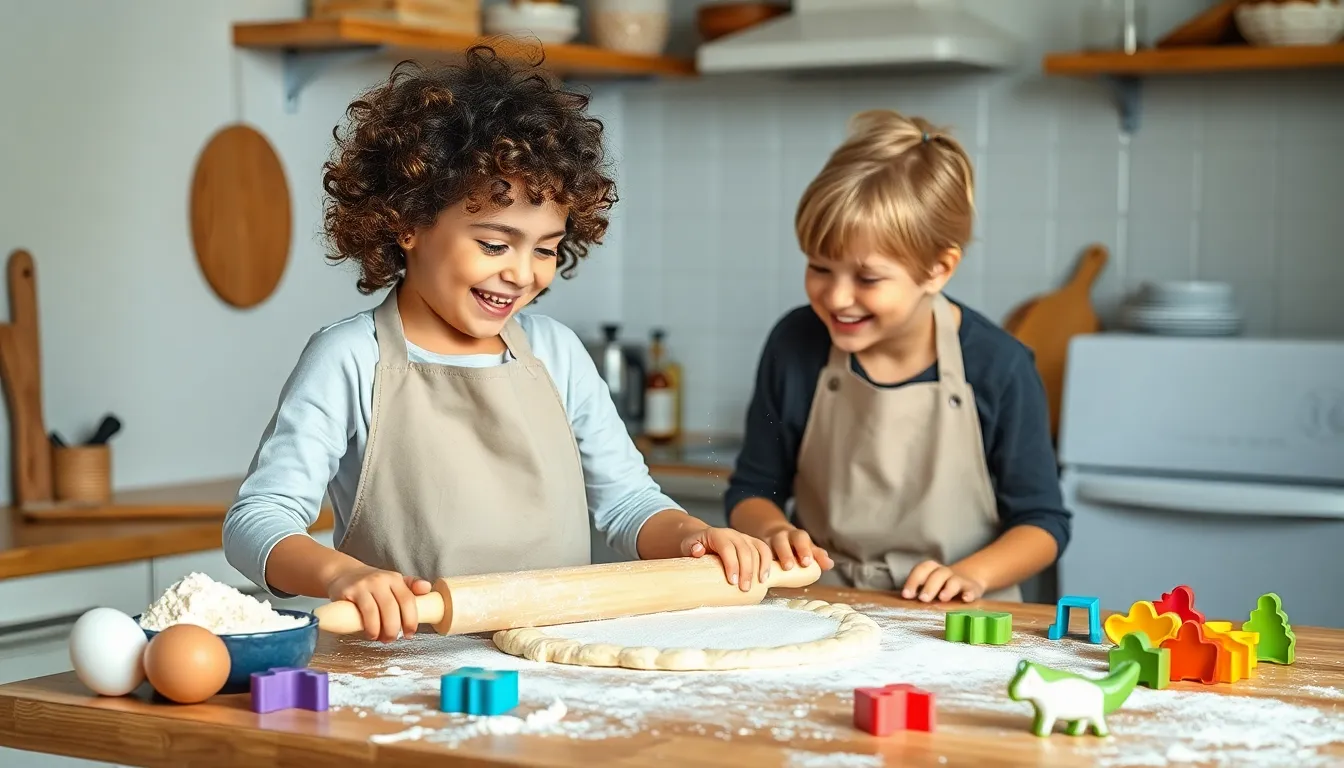
Pasta making classes in Rome offer an interactive environment for children to learn culinary skills. These workshops are designed to accommodate varying motor skills in studio settings throughout the city center.
Most city center studios have limited storage space, so collapsible strollers are recommended. Ensure your chosen location is informed of your stroller needs in advance.
Children aged five and older typically possess the motor skills required for rolling dough and shaping pasta. Younger children often enjoy the sensory experience of kneading and cutting, though they may require more parental assistance.
Studios are equipped with child-height tables or adjustable stations to ensure comfort during the preparation process. High chairs and restroom facilities are generally available, but should be confirmed during the planning phase.
Activities focus on tactile participation, such as measuring flour and shaping noodles, to maintain interest. Small-group settings allow instructors to provide personalized attention to help children succeed with their creations.
Pasta making workshops for families in Rome operate daily throughout the week. These sessions are held in various studios across the city center.
Prepare these items before your family pasta making class to ensure a smooth cooking experience.
Everything you need to know about rome pasta making class kids
Most providers welcome children, though hands-on activities are best suited for ages five and older. Instructors adapt the dough kneading and shaping techniques to ensure younger participants remain engaged.
Yes, all flour, eggs, and seasonal fillings are included in the session. You do not need to bring supplies, as the studio provides aprons and all necessary culinary tools.
These culinary experiences typically last between two and four hours depending on the menu complexity. This timeframe allows sufficient room for preparing the dough, resting the pasta, and enjoying the meal together.
Private sessions are the standard format for these culinary tours in Rome. Booking privately allows your family to work at a comfortable pace without needing to coordinate with other groups.
Classes take place in dedicated city center studios or professional culinary spaces. These locations are fully equipped for safe, hands-on learning with professional-grade kitchen equipment.
The best arrival window is between 09:00 and 18:00 to utilize natural light. Daylight hours provide optimal conditions for both the cooking process and photography of your creations.