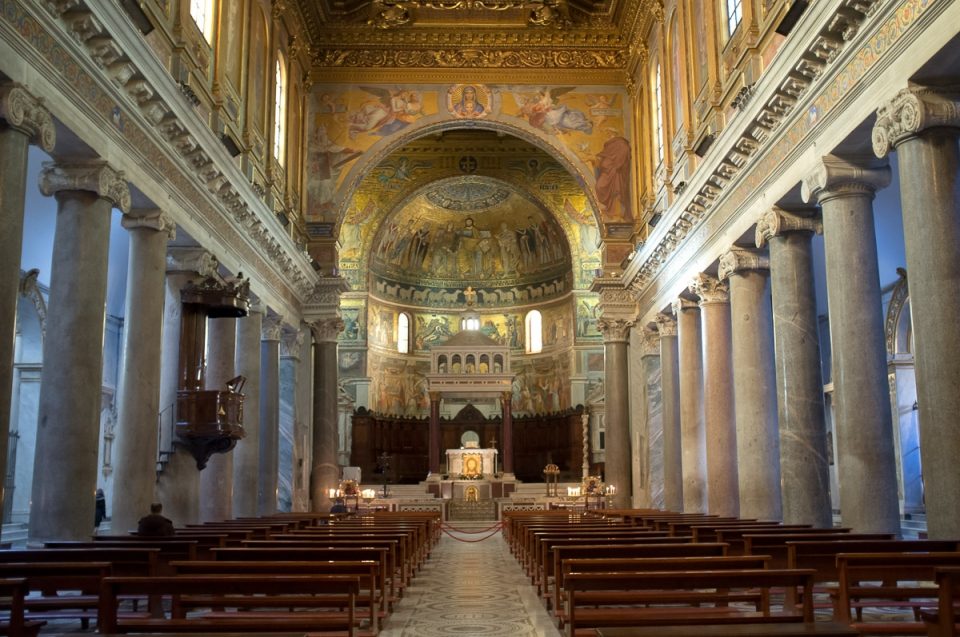
Basilica of Santa Maria in Trastevere
5 min walk
As one of the oldest churches in Rome, its golden mosaics provide a quiet, reflective setting after a morning cooking session.

Trastevere's narrow cobblestone streets hide some of Rome's most intimate culinary workshops, where visitors learn to shape fettuccine, roll gnocchi, and craft ravioli under the guidance of local chefs. These hands-on sessions offer a window into Roman home cooking traditions that predate the neighborhood's modern trattoria scene. This guide covers what to expect, how to choose a workshop, and the practical details that shape your experience.
Quick answer
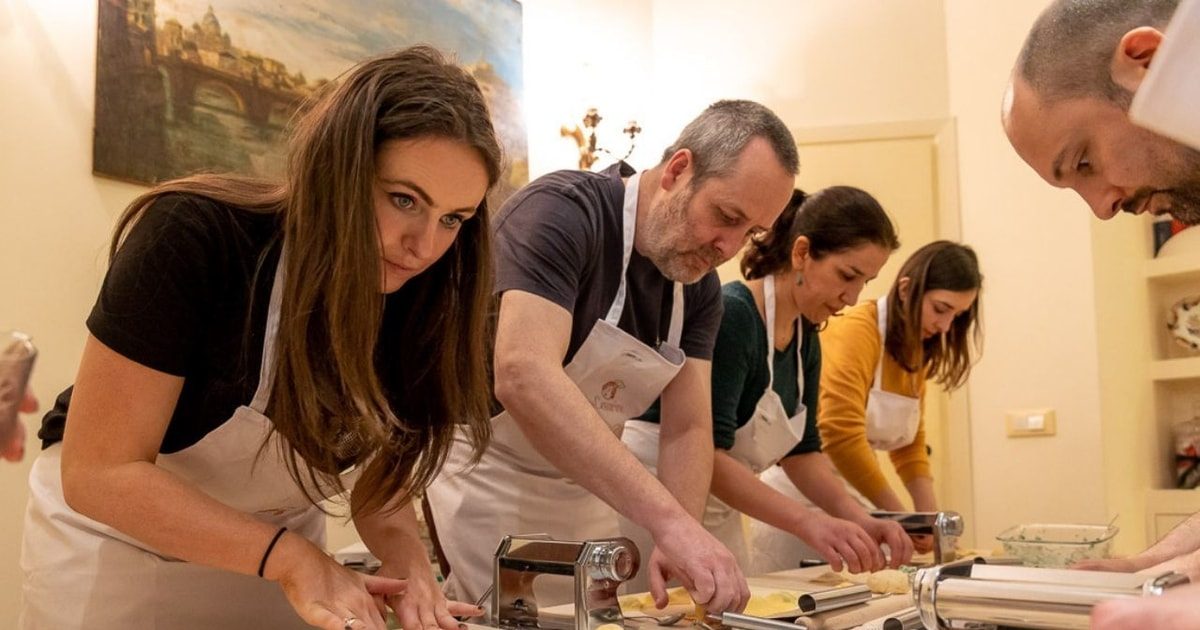
A rome trastevere pasta making class typically runs between two and three hours, with sessions available daily from 09:00 to 22:00 across various studios in the Trastevere district at 00153 Rome. Morning and afternoon time slots between 09:00 and 18:00 are less crowded and avoid the late-night dining rush. Most workshops include dough preparation, shaping techniques for two or three pasta types, and a seated meal of your handmade dishes paired with wine.
Trastevere has hosted working kitchens since the medieval trade guilds, long before the first guidebook arrived. Today the neighborhood's culinary schools occupy ground-floor workshops, vaulted wine cellars, and renovated artisan spaces where the marble counters stay cool enough to work egg dough by hand. A rome trastevere pasta making class teaches the foundational techniques Roman grandmothers still use: how to judge dough hydration by touch, why double-zero flour behaves differently than semolina, and the wrist motion that crimps agnolotti without tearing the seal. Instructors demonstrate each step before participants take their own station, working through fettuccine, tonnarelli, or filled shapes depending on the workshop's focus. Most sessions structure the experience around a progression from mixing and kneading through shaping and cutting, culminating in a communal meal where the group tastes what they built. The teaching style leans hands-on rather than demonstrative—expect flour on your apron and dough under your nails. The neighborhood itself shapes the experience. Trastevere's provision shops supply the semola rimacinata, pecorino, and guanciale that define Roman pasta traditions, and many workshops source their pantry ingredients within a three-block radius. The sensory backdrop—church bells, the smell of simmering sugo from neighboring kitchens, late-afternoon light through shuttered windows—reinforces the domestic context these recipes were written for. Classes held in morning or early-afternoon slots capture Trastevere before the evening aperitivo crowds arrive, when the streets still feel like a working neighborhood rather than a stage set. Workshops vary in group size, menu complexity, and instructor style. Some prioritize speed and efficiency, moving a dozen participants through three pasta shapes in ninety minutes. Others cap enrollment at six and dedicate equal time to dough theory, regional variations, and the chemistry behind gluten development. The former suits travelers with tight itineraries; the latter rewards anyone treating the session as culinary education rather than entertainment. Both models conclude with the same reward: a table set with your own imperfect, entirely edible proof that pasta is a kit of simple parts, not a restaurant mystery.
“The marble counters stay cool enough to work egg dough by hand, the way Roman kitchens have done for centuries.”
Pasta making classes in the Trastevere district operate daily to accommodate various travel schedules.
Pasta making classes in Trastevere operate as private commercial experiences rather than public attractions. Consequently, there is no standardized gate fee for these culinary workshops.
Verdict: Actual costs are determined by the specific commercial provider selected for your session.
The Trastevere district is located in the heart of Rome, 00153, and is best accessed via public transit or a short walk from the city center. Given the narrow, historic nature of the local streets, arriving on foot or by local bus is the most efficient way to reach your class location.
FL1 line to Roma Trastevere station
Line H to Lgt. Farnesina/Trilussa
Walking from Piazza Trilussa
Direct to Trastevere district
Plan to arrive within the 09:00–18:00 window to ensure a smooth transition into your session. Because Trastevere has restricted traffic zones and limited parking, public transportation is strongly recommended over driving.
Trastevere offers a dense collection of historic landmarks that complement the hands-on nature of a pasta making session. Exploring these nearby sites allows you to transition from culinary instruction to experiencing the neighborhood's characteristic architecture and atmosphere.
5 min walk
As one of the oldest churches in Rome, its golden mosaics provide a quiet, reflective setting after a morning cooking session.
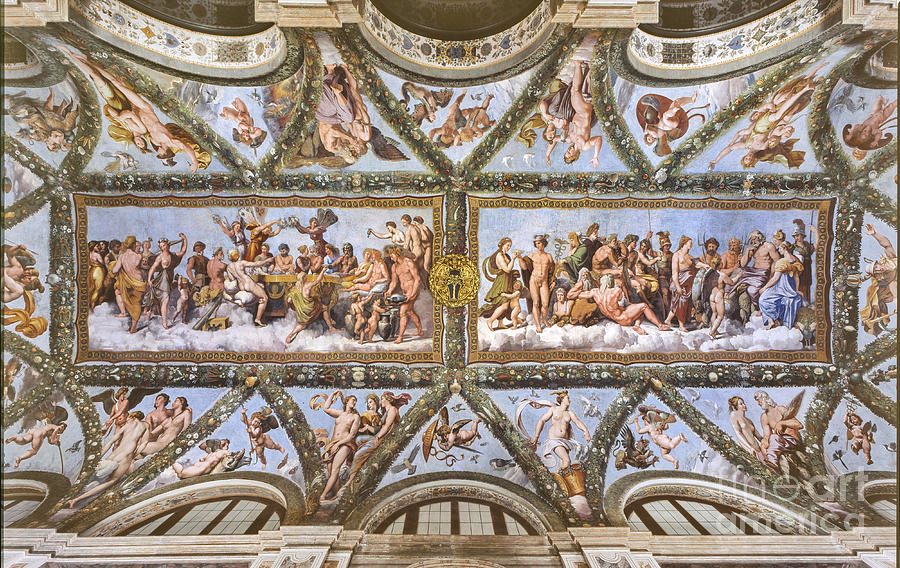
12 min walk
This Renaissance villa features detailed frescoes by Raphael and is located a short stroll away, making it a logical stop for art enthusiasts.
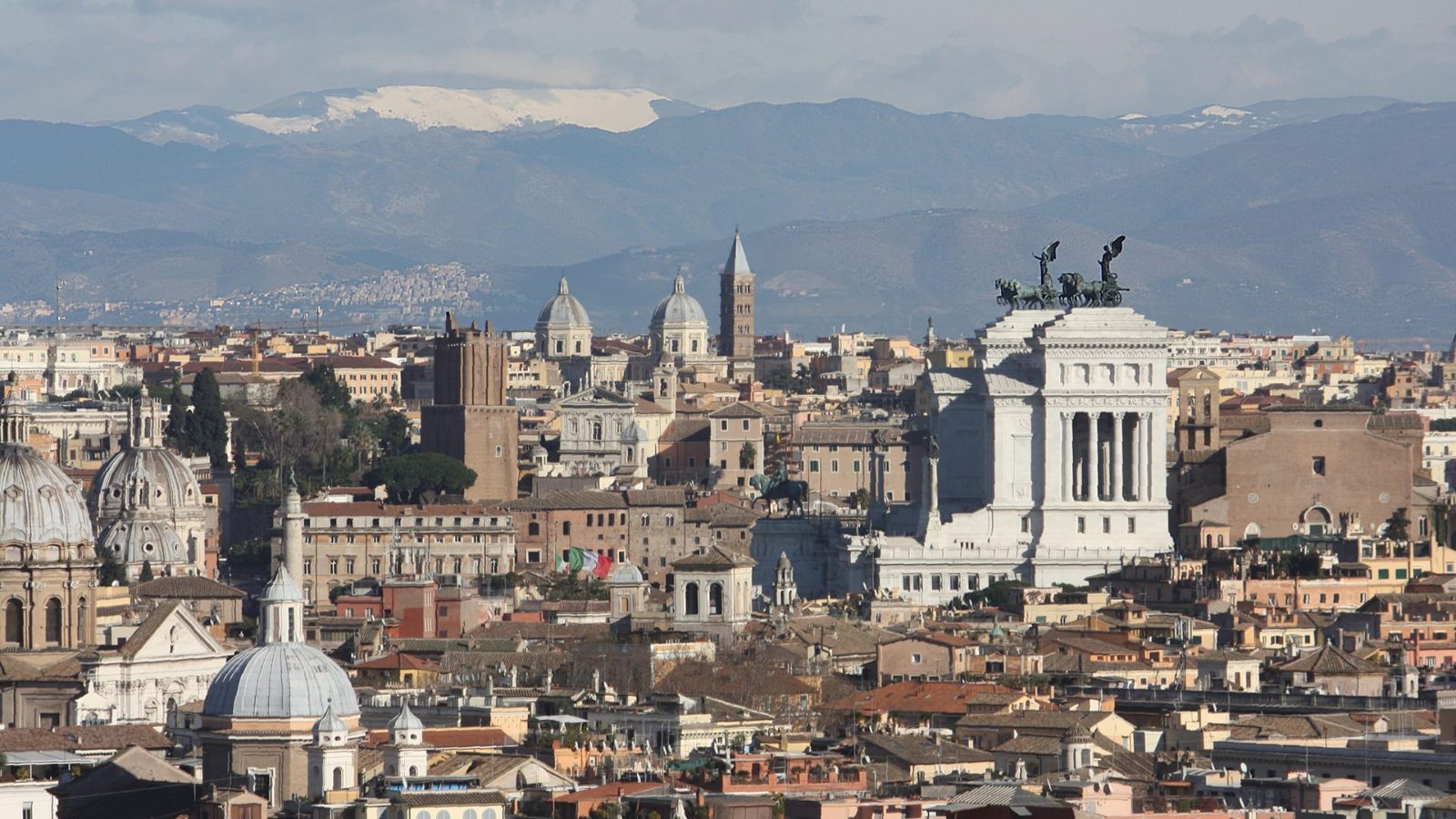
15 min walk
This elevated area offers panoramic views of the city, serving as an ideal location for a post-class walk to digest your meal.
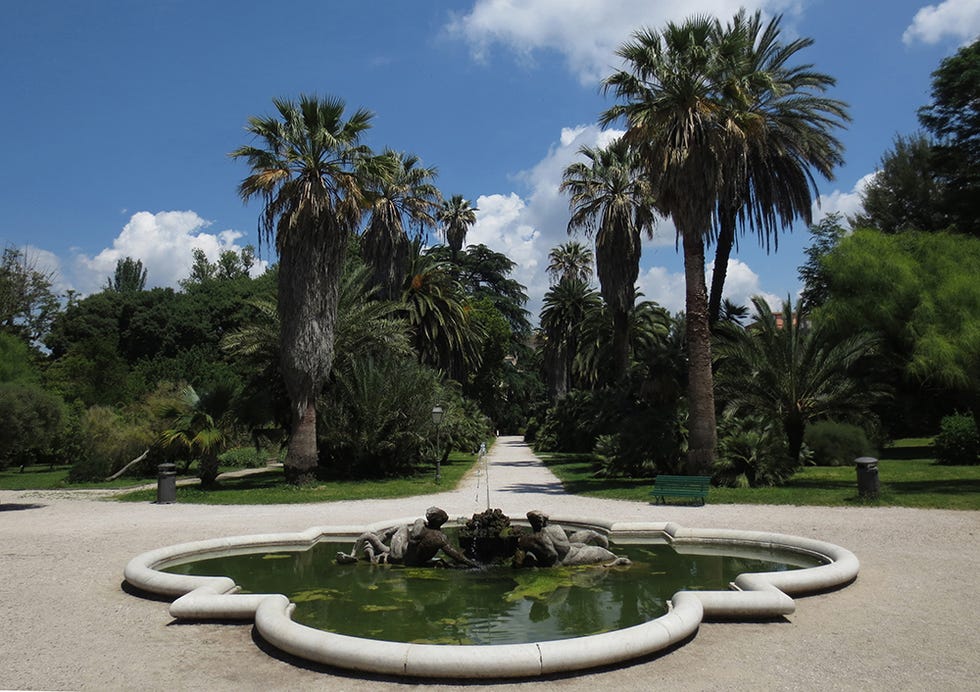
10 min walk
These gardens offer a tranquil environment away from the city streets and are situated conveniently within the Trastevere district.
Everything you need to know about rome trastevere pasta making class
A typical session involves hands-on preparation of dough, learning traditional shaping techniques, and enjoying a meal prepared from scratch. You will work with professional chefs to master regional staples like fettuccine or ravioli in an authentic setting. It is an immersive way to connect with local gastronomic traditions while visiting Italy.
Most culinary sessions welcome participants of all ages, though it is best to check the specific policy regarding minors with your chosen provider. These hands-on workshops are often engaging for children who enjoy working with dough and learning new skills. Always confirm age requirements before finalizing your plans to ensure a smooth visit.
There is no single gate fee for these private commercial activities as prices vary by provider and inclusions. You will find that these experiences are priced based on the workshop duration, ingredients provided, and the expertise of the chef. Please refer to individual booking pages for current pricing structures.
For a more relaxed experience, the best arrival window is 09:00–18:00 as morning and afternoon sessions are less crowded. Planning your visit during these hours helps you avoid the late-night dining rush often found in the neighborhood. Consistency in your schedule ensures you have ample time to focus on your dough preparation.
The venue is located in Trastevere, 00153 Rome, Italy, which is well-connected by local bus lines and tram services. You can easily reach this historic district from central areas using public transport or a short taxi ride. Once in the area, the charming narrow streets are best explored on foot to find your culinary workshop destination.
Professional instructors provide all necessary raw materials, including high-quality flour, fresh eggs, and kitchen equipment. You simply need to bring your enthusiasm and a willingness to learn the art of traditional Italian cooking. All tools are sanitized and ready for your use upon arrival at the studio.
Yes, you can participate in a session any day of the week as the area hosts activities between 09:00–22:00. Whether you prefer a weekday morning or a weekend evening, there is flexibility to suit your travel itinerary. Booking in advance is highly recommended to secure your preferred slot.